
This page lists all days from the October block of the Heritage of Georgia tear-off 2026 calendar. Tap a day number to jump to that site’s Google Maps link.
Tsaishi Cathedral
location
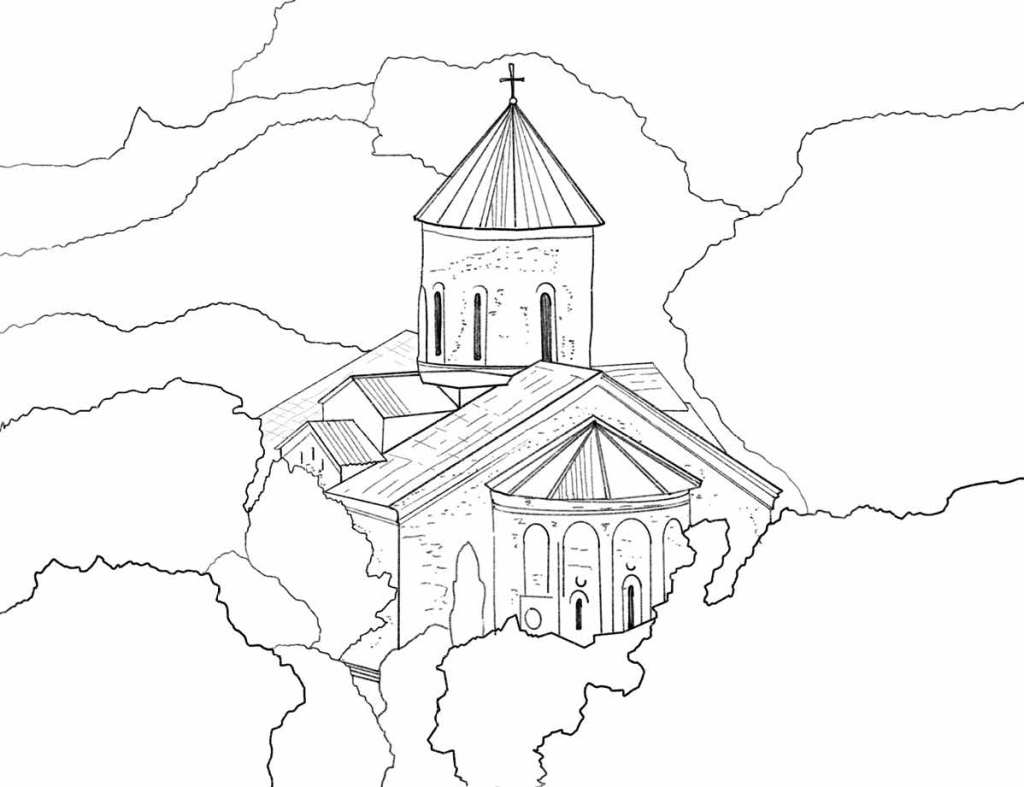
late 13th–early 14th-century domed church with 17th-v frescoes
Betlemi Quarter
5 Gomi St, Tbilisi
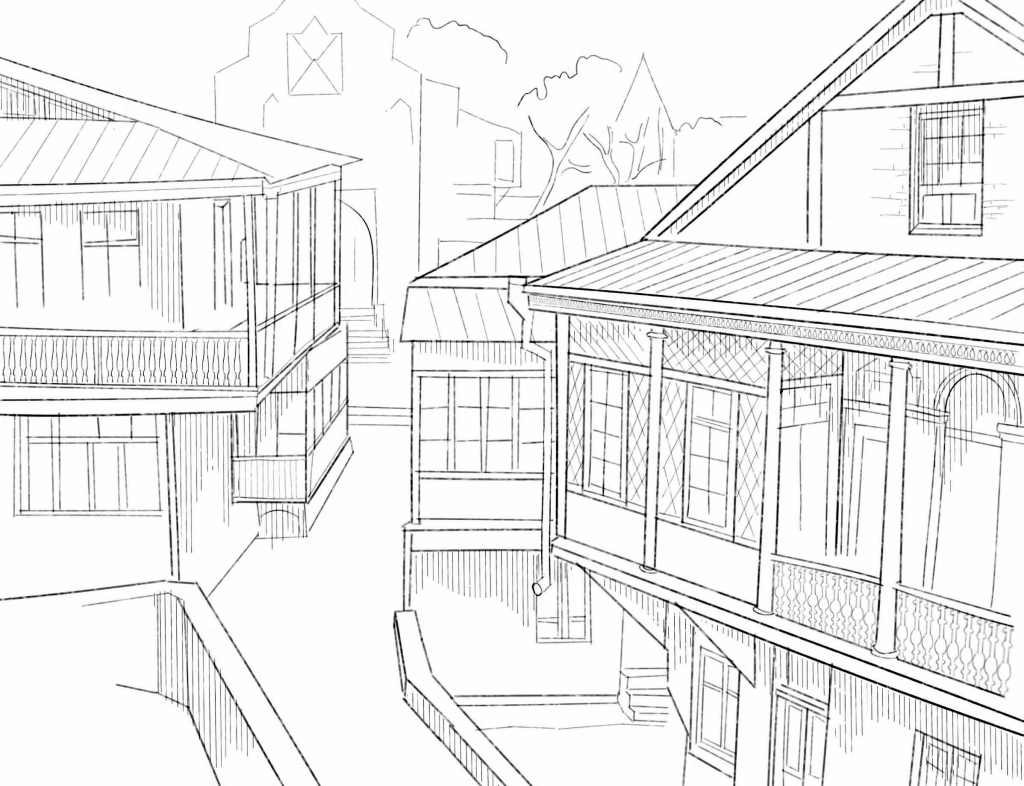
surviving quarter of mostly 19th-century houses with wooden balconies along narrow winding streets; resident-led conservation 2004–2011
Narikala Fortress
Tbilisi
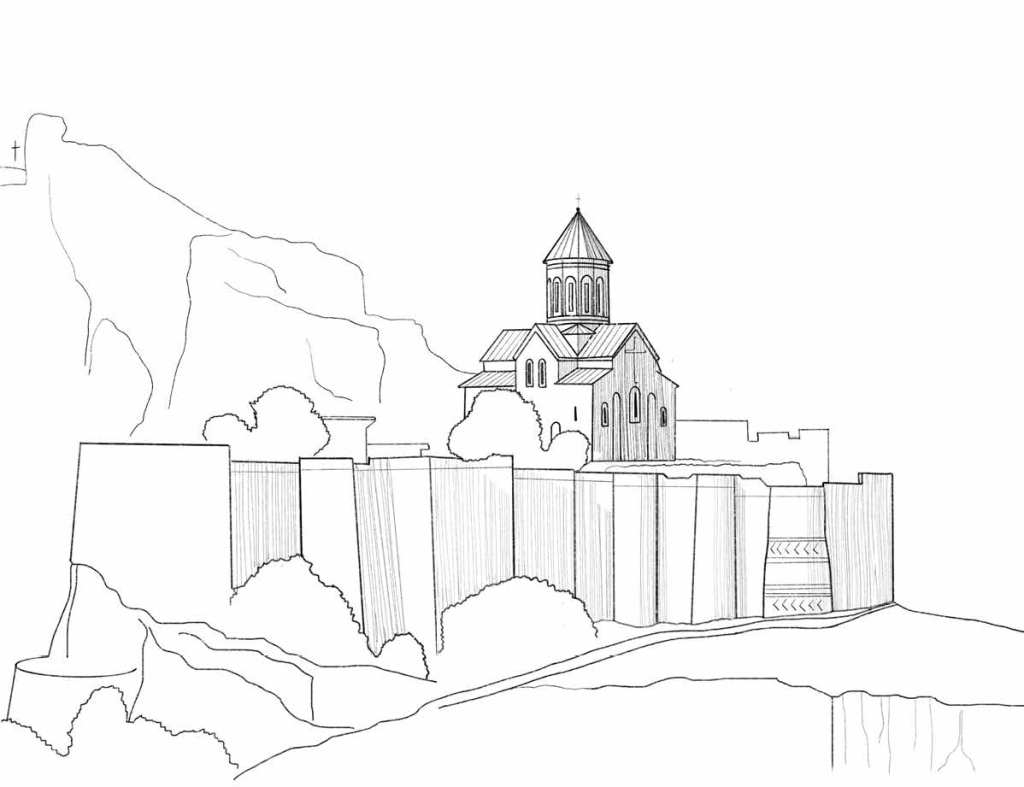
ancient hilltop fortress dating to the 4th century; most surviving walls from the 16th–17th centuries; St. Nicholas church rebuilt in 1997
Churchkhela
location
GPS:
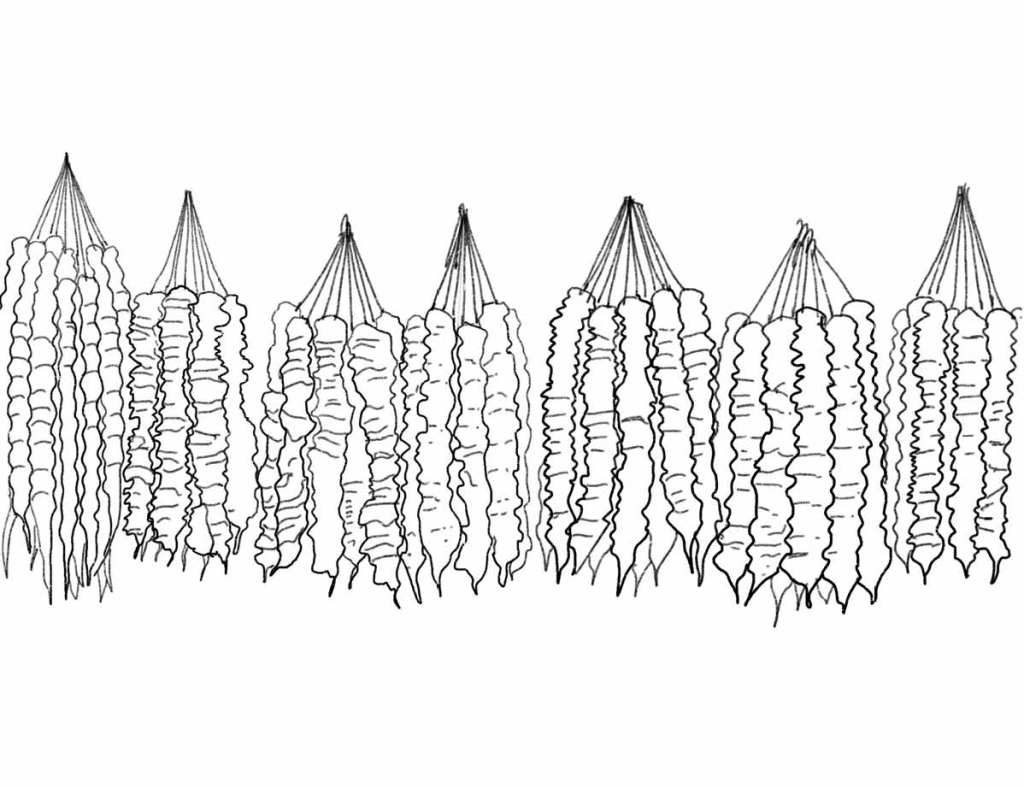
string of walnuts or hazelnuts dipped in thickened grape must; dried into a firm, candle-like sweet
Geguti Palace
Imereti
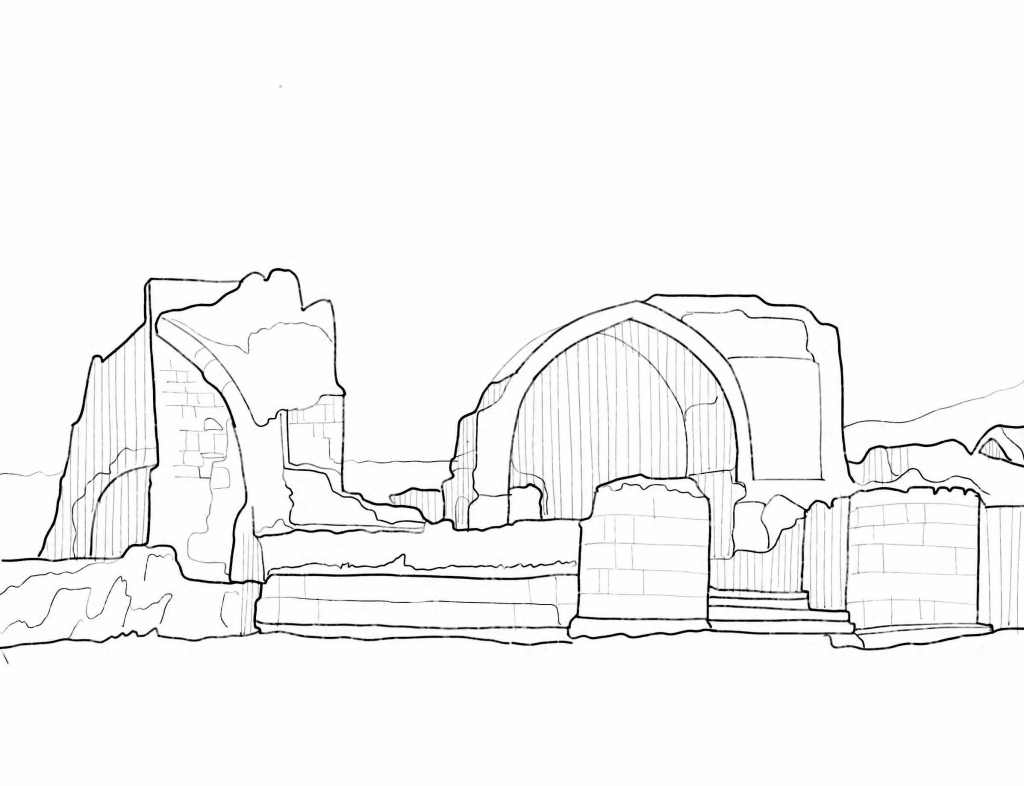
mainly 12th-century residence of Georgian kings; fell into ruin in the 19th century
Vani Belt Cup
Georgian National Museum, Tbilisi
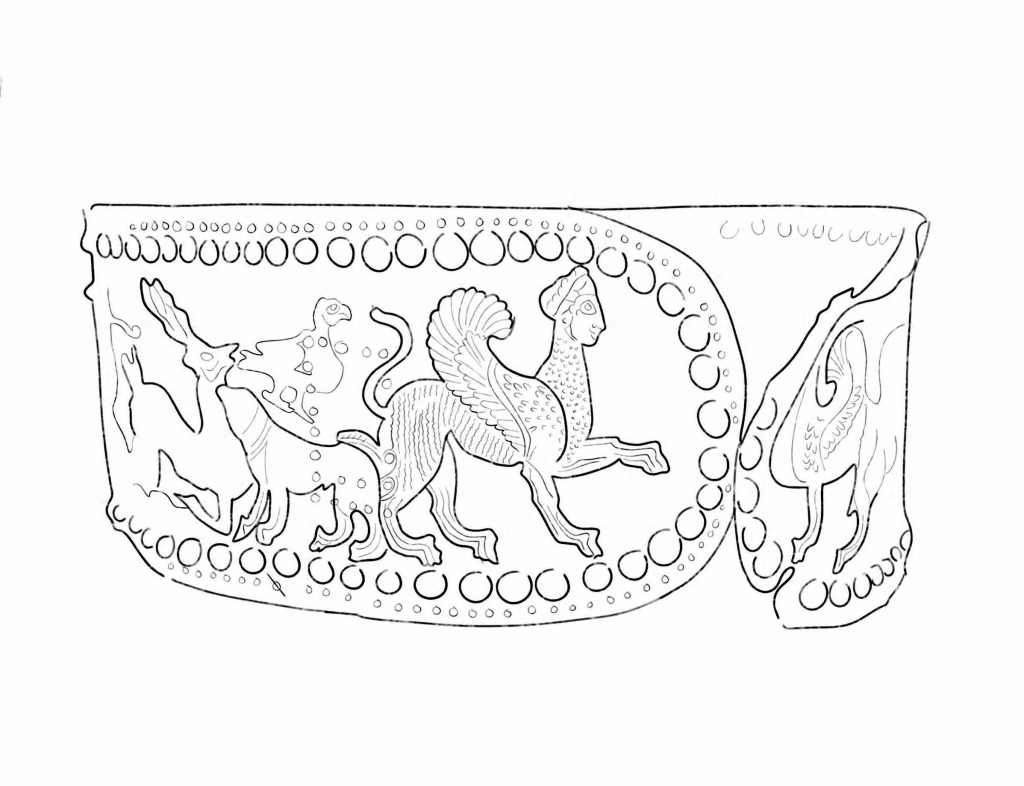
bronze belt from the end of the 4th century BC; Colchian tradition; frieze of banquet, hunting and animal row with sphinx terminals
Vazisubani Dormition Church
Kakheti
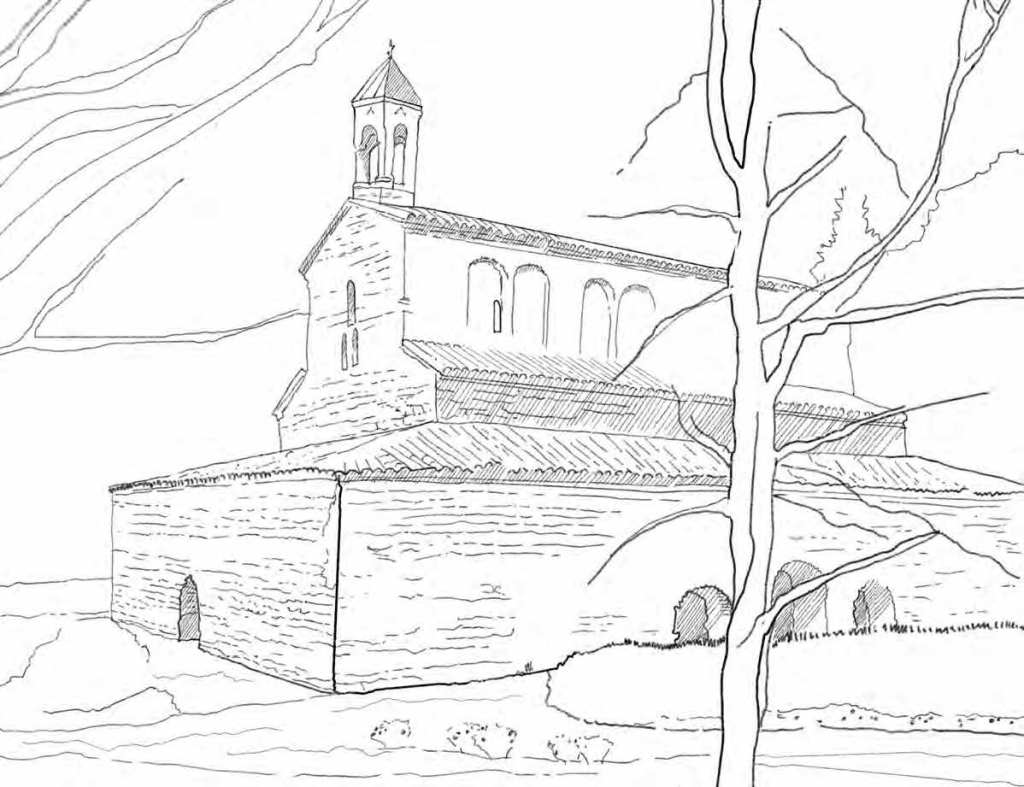
6th-century three-aisled basilica with surrounding gallery on three sides
Laguna Vere Aquatic Sports Complex
34 Merab Kostava I Lane, Tbilisi
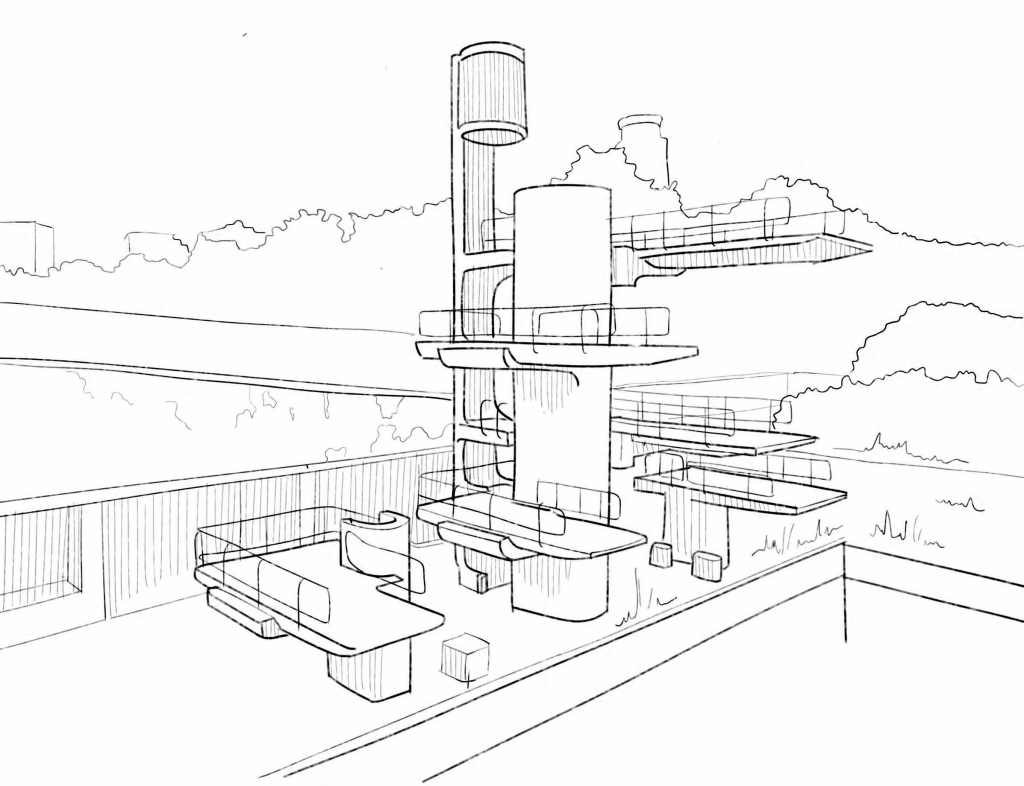
three international-standard pools; completed 1978 by Shota Kavlashvili, Ramaz Kiknadze and Guram Abuladze; closed 2014
House at 8 Amaghleba Street
8 Amaghleba St, Tbilisi
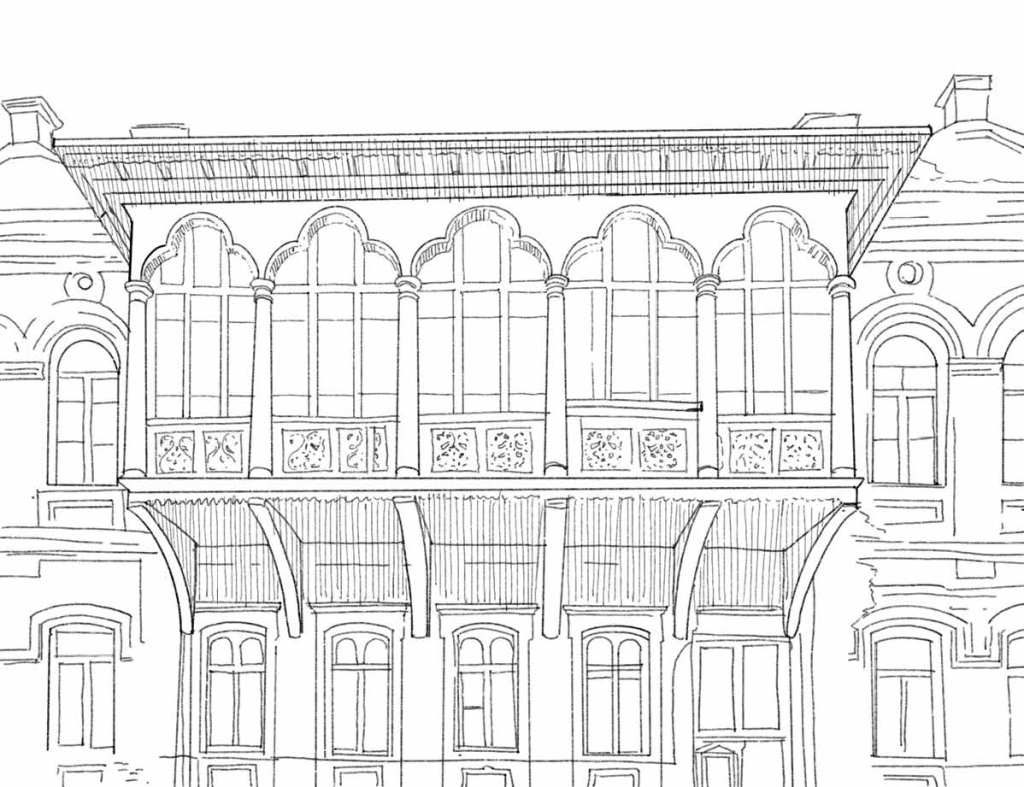
mid-19th-century house characteristic of Tbilisi’s early urban development; Europeanized street facade with carved glazed wooden balcony
Chacha Press
Open Air Museum of Ethnography, Tbilisi
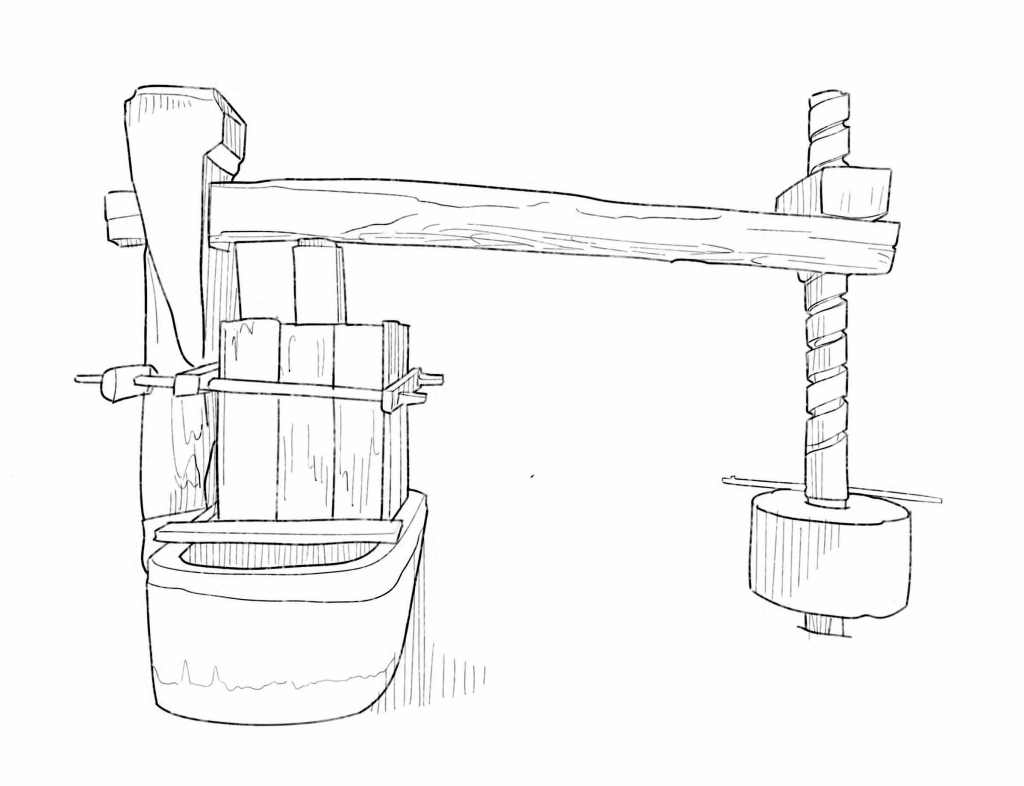
press for grape pomace used after pressing to extract remaining juice for chacha; known in Georgian as sakajavi
Khakhuli Triptych
Art Museum of Georgia, Tbilisi
early 12th-century triptych case for a 10th-century Virgin icon; repoussé and 115 Georgian and Byzantine cloisonné enamels
Tsilkani Cathedral
Shida Kartli
GPS: 41.949713490760246, 44.658394653432644
founded in the 4th century and rebuilt in the 12th–13th centuries as a cross-in-square cathedral; fragments of 15th–18th-century wall paintings
House at 23 Amaghleba Street
23 Amaghleba St, Tbilisi
early 19th-century house with two street-facing wooden balconies; characteristic of Tbilisi’s early urban development
Svetitskhoveli Cathedral
Mtskheta, Shida Kartli
cathedral built 1010–1029; extensive fresco cycles and carved stone reliefs; houses the relic of Christ’s robe; UNESCO-inscribed 1994
The Knight in the Panther’s Skin
epic poem by Shota Rustaveli; late 12th–early 13th centuries; central to Georgian literature; long tradition of memorization among schoolchildren
Male Figures Stone Reliefs
Svetitskhoveli Cathedral, Shida Kartli
two male figures with arms raised in prayer; on opposite sides of the north façade window of the 11th-century Svetitskhoveli Cathedral
Qarvasla Hotel
36 Kote Afkhazi St, Tbilisi
built 1894 as Moorish Revival courtyard caravanserai; rehabilitated and reopened as a hotel in 2024
Khobi Monastery
Samegrelo
late 13th–early 14th-century church with an unusual domeless cruciform plan; stone carvings and mainly 17th-century frescoes
Boris Paichadze Dinamo Arena
2 Akaki Tsereteli Ave, Tbilisi
rebuilt 1976 as a football stadium for Dinamo Tbilisi by Archil Kurdiani and Gia Kurdiani
Kutaisi Parliament Building
Kutaisi, Imereti
sweeping concrete arch spanning a glass dome; completed 2012 by Alberto Domingo Cabo; former parliamentary seat 2012–2019
Tbilisi State University First Building
1 Ilia Chavchavadze Ave, Tbilisi
built 1899–1906 by Simon Kldiashvili as the Georgian Nobility Gymnasium; opened as Tbilisi State University in 1918
Khati Shrines
Tusheti, Khevsureti
small dry-stone mounds often marked with horns; traditional sacred shrines of Tusheti and Khevsureti blending pre-Christian and Christian practices
Daira
frame drum with jingles; common in women’s repertoires
Kumurdo Cathedral
Javakheti
964 domed cross-in-square cathedral on the Javakheti Plateau; carved exterior decoration; now in ruins without the dome
Kinto
Tbilisi
19th–early 20th-century urban traders of Tbilisi; featured in the dance kintouri
Tbilisi Metro — Marjanishvili Station
Tbilisi
opened 1966 deep-level underground station with marble finishes and a bronze portrait of the theater director Kote Marjanishvili
Takhti-Tepha Mud Volcanoes
Kakheti
mud volcano field with bubbling craters releasing mud and oil
Corn Crib from Samegrelo
Open Air Museum of Ethnography, Tbilisi
raised corn crib on high posts; sasiminde in Georgian; built in the 19th century; relocated from Jgali, Samegrelo
Aramyants House
12 Merab Kostava St, Tbilisi
early 20th-century income house of Mikael Aramyants
Decorative Stone Reliefs
Svetitskhoveli Cathedral, Shida Kartli
carved geometric and interlacing stone reliefs around the drum at Svetitskhoveli; likely 15th-century work
Sabereebi Monastery
Kakheti
9th–10th-century rock-cut monastery in the David Gareja complex; fragmentary frescoes preserved
 bureau MARKA