
12th–14th centuries
location: 42.601079210212696, 42.08283519888627
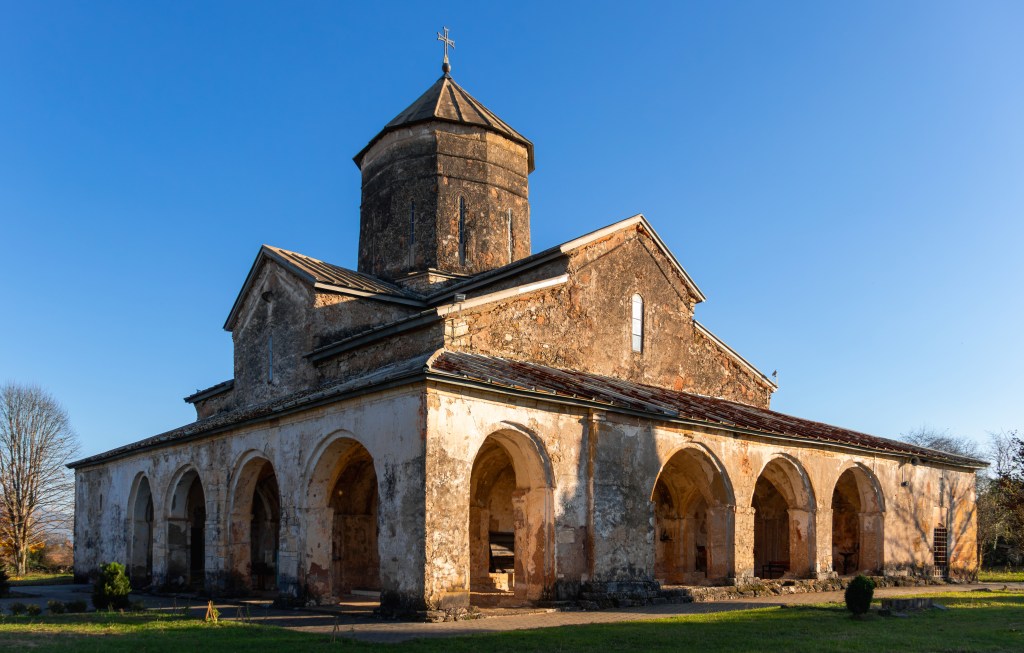
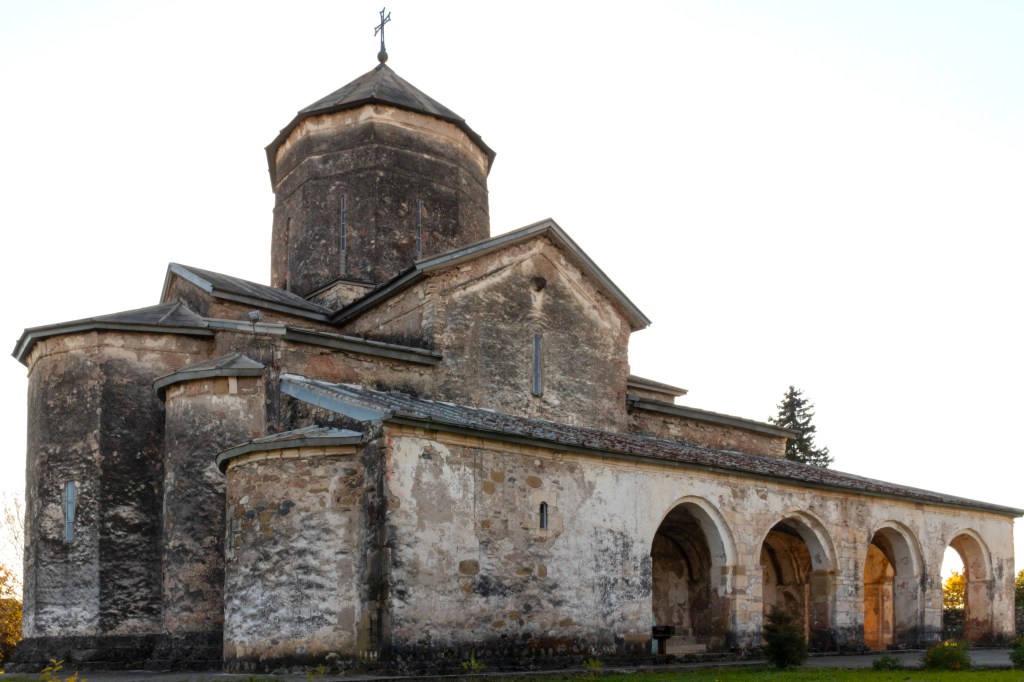
The Church of the Savior is located near the town of Tsalenjikha in the historical region of Samegrelo. It stands within a spacious courtyard, which also contains a late medieval bell tower and the ruins of a former palace.
The exact date of construction of the church is not documented. However, based on its architectural features and comparisons with other Georgian churches, it is attributed to the 12th century, specifically between the 1130s and 1180s.
The church has a cross-domed plan. The dome is supported by two octagonal piers in the west and by the apse corners in the east, with pendentives facilitating the transition from the square central bay to the circular drum, which is octagonal on the outside.
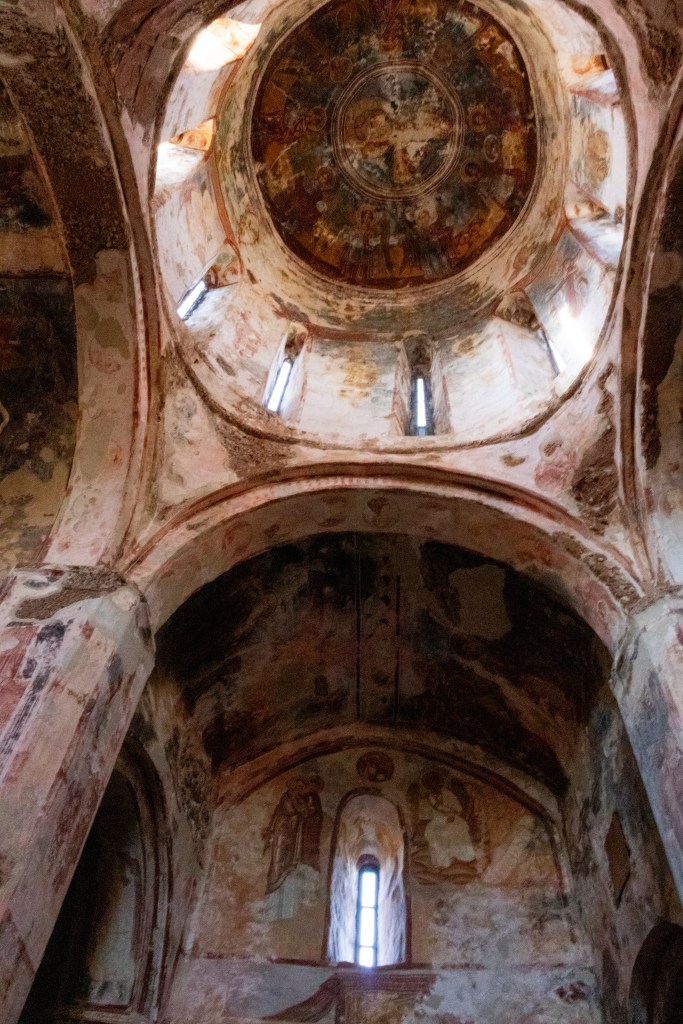
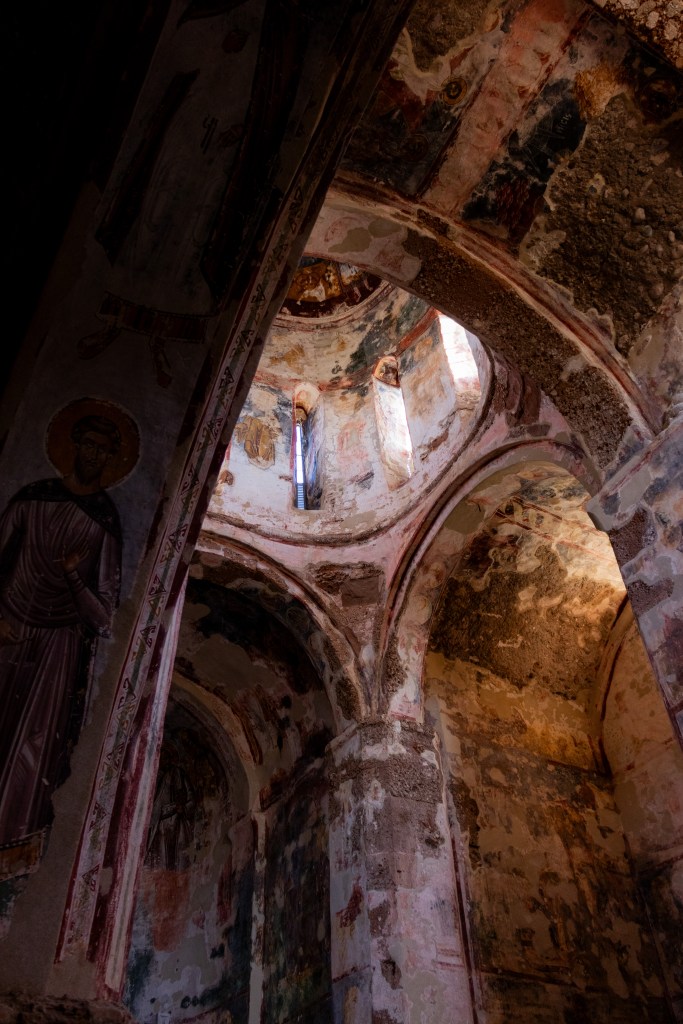
Built with conglomerate blocks, the exterior walls of the church were unsuitable for carving and therefore lacked ornamentation. The interior, however, was richly decorated with frescoes in the 14th century. These murals were commissioned by Prince Vameq I Dadiani, the eristavi (duke) of Odishi (the historical name of Samegrelo), who ruled from 1384 to 1396. For this work he invited Manuel Eugenikos, a renowned late Byzantine artist from Constantinople. This collaboration is confirmed by Greek and Georgian inscriptions found on the murals. Art historical analysis suggests that at least four different masters, including Eugenikos, contributed to the frescoes of Tsalenjikha.
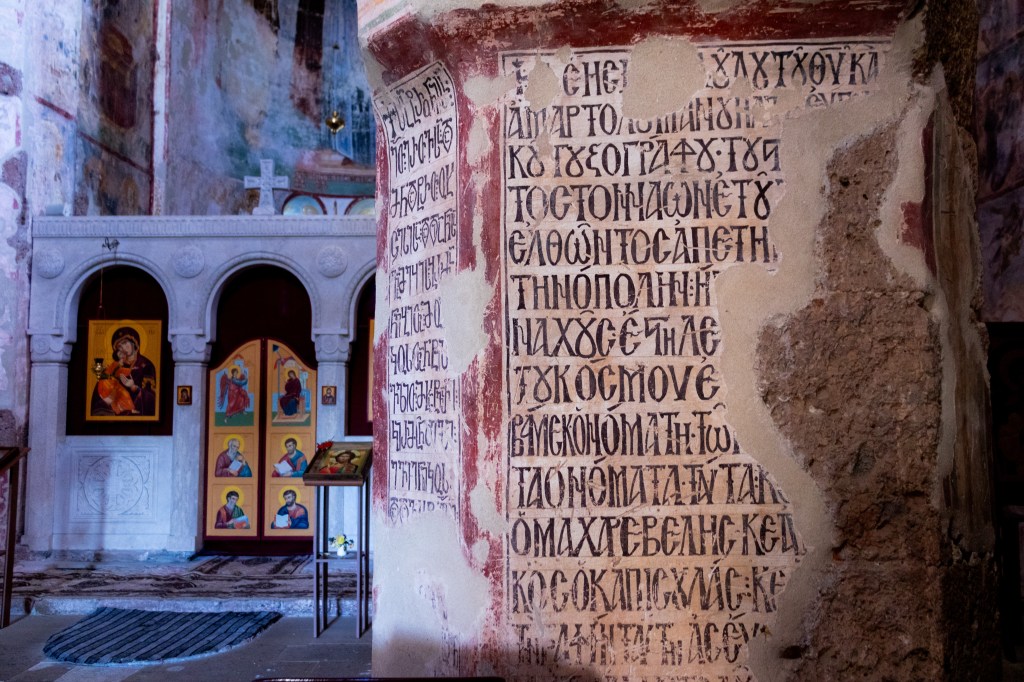
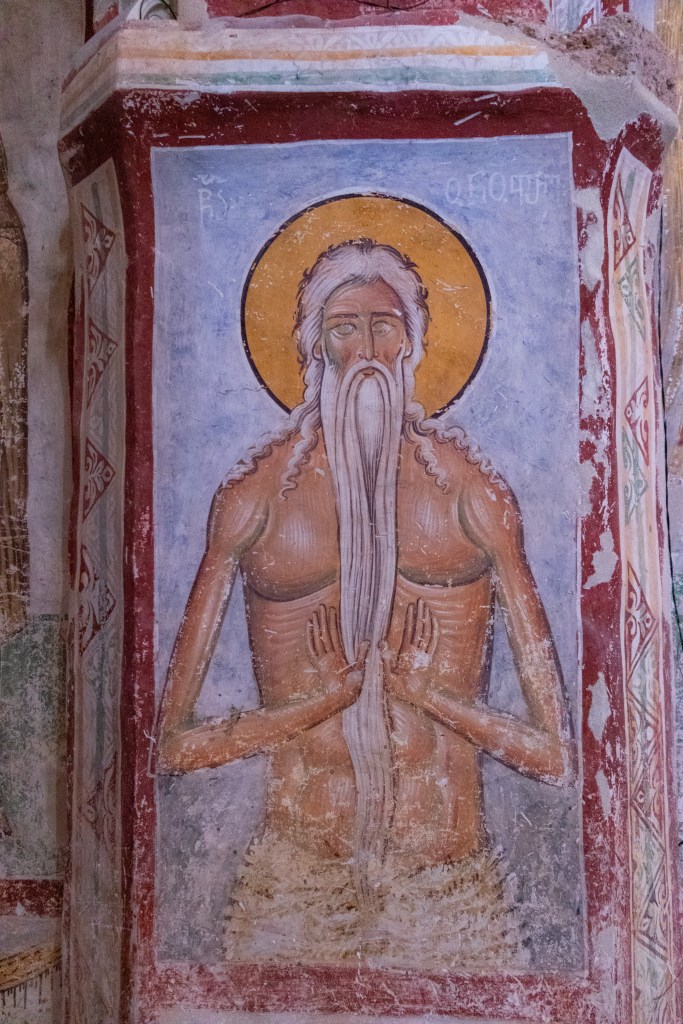
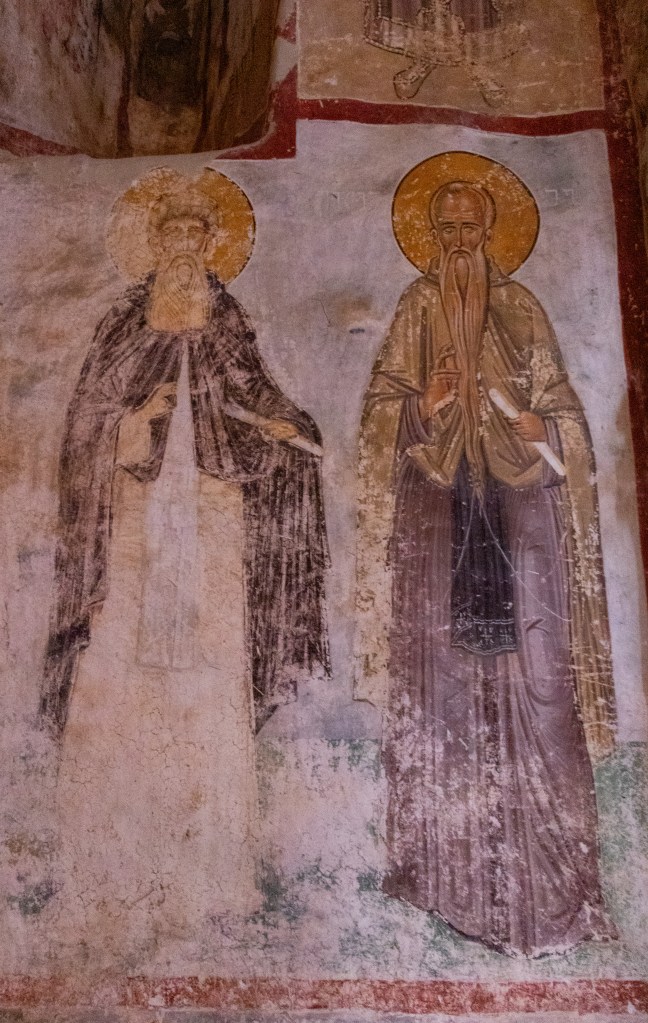
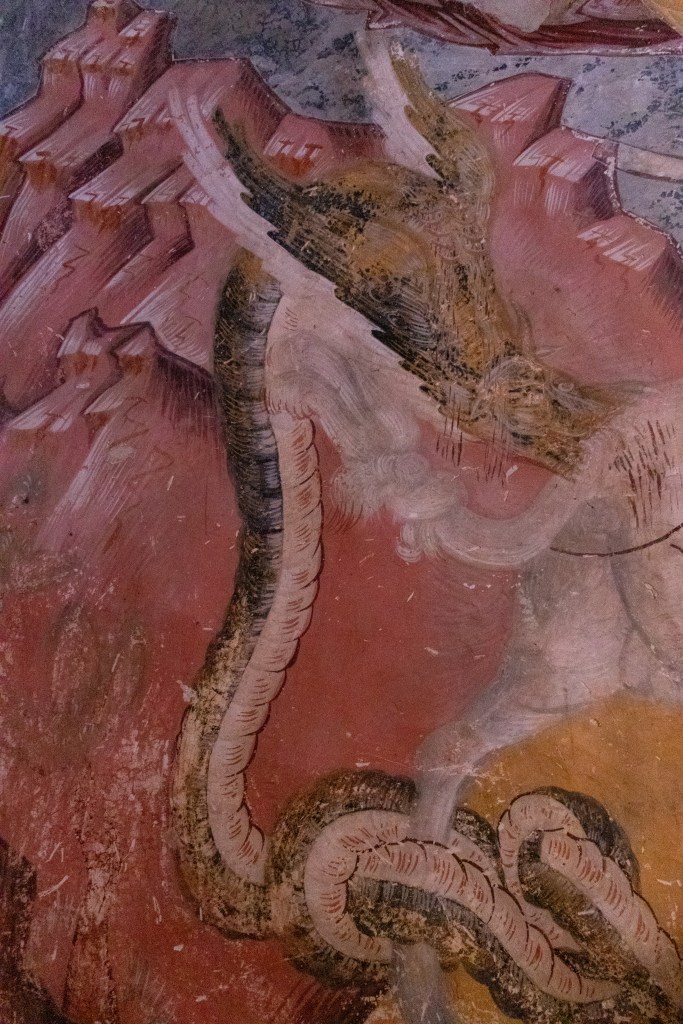
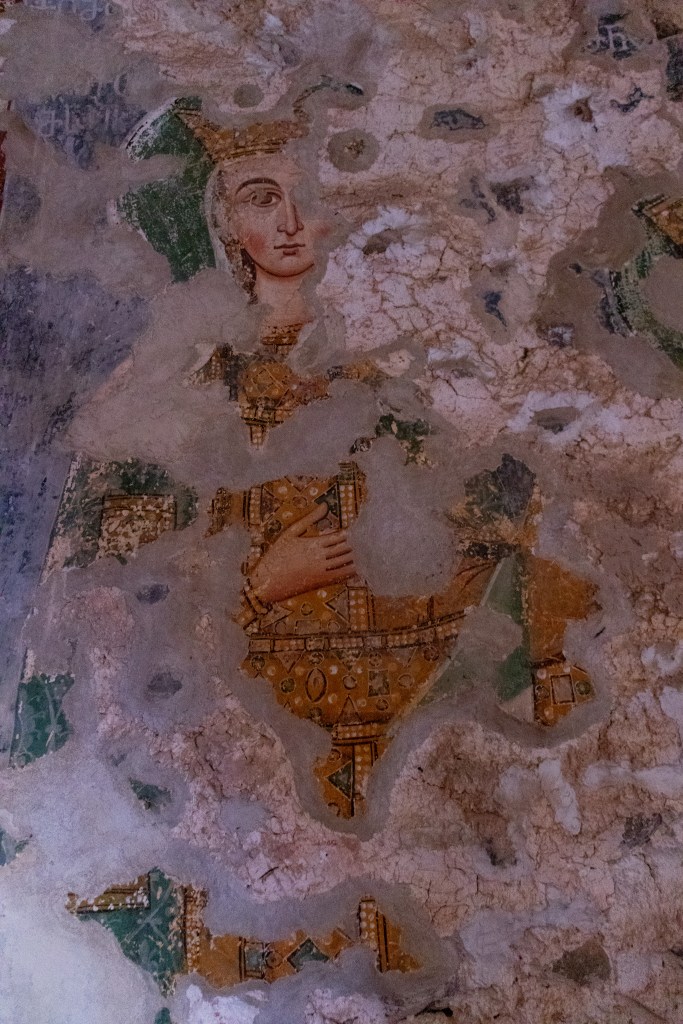
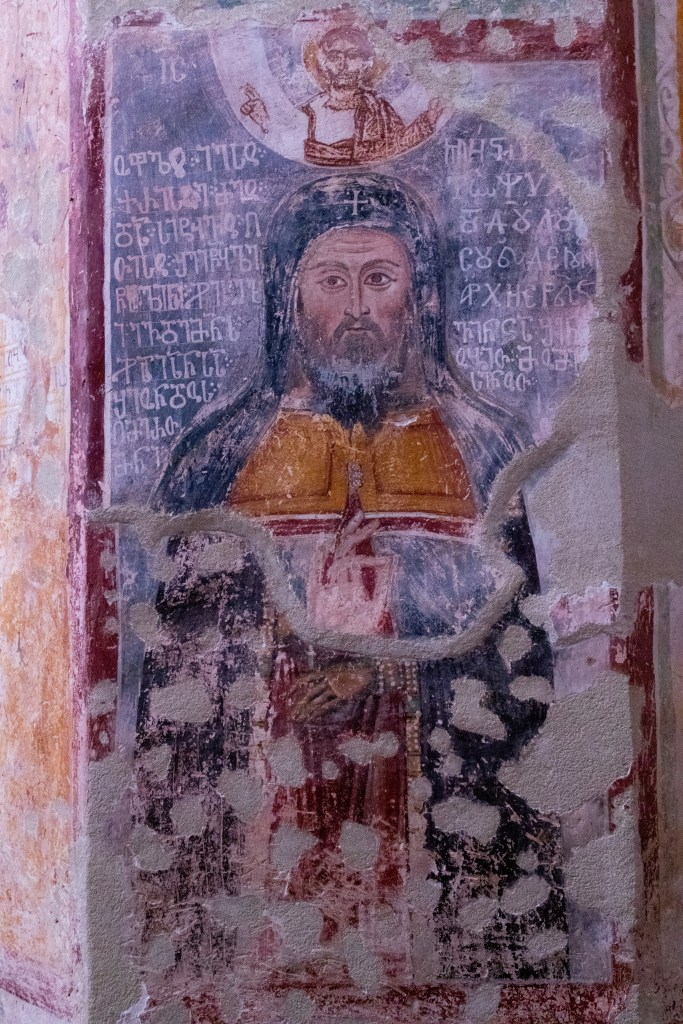
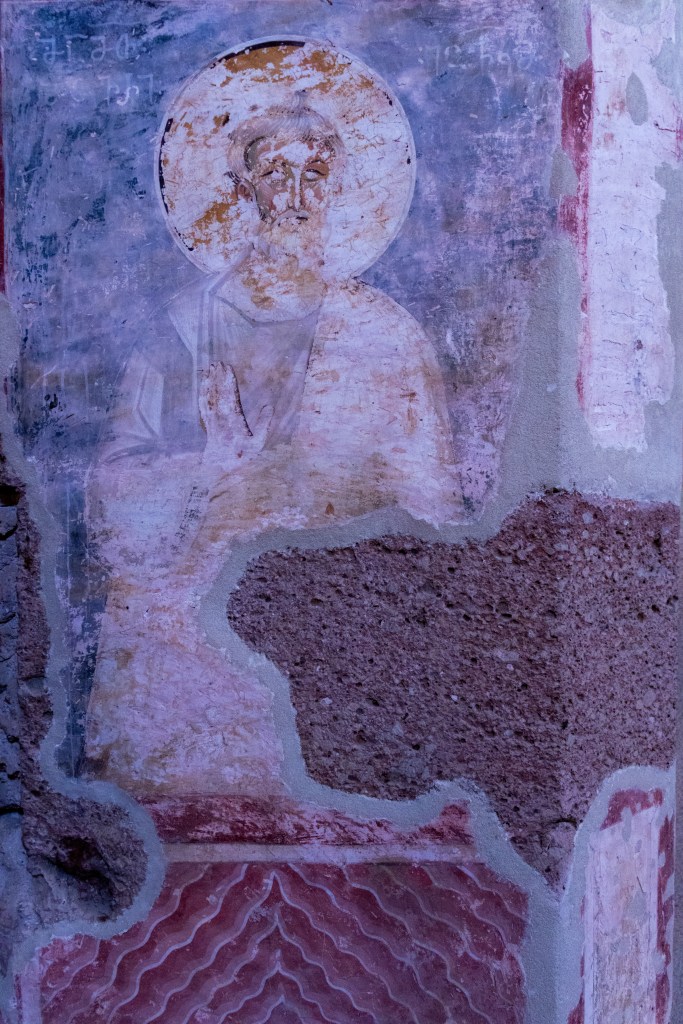
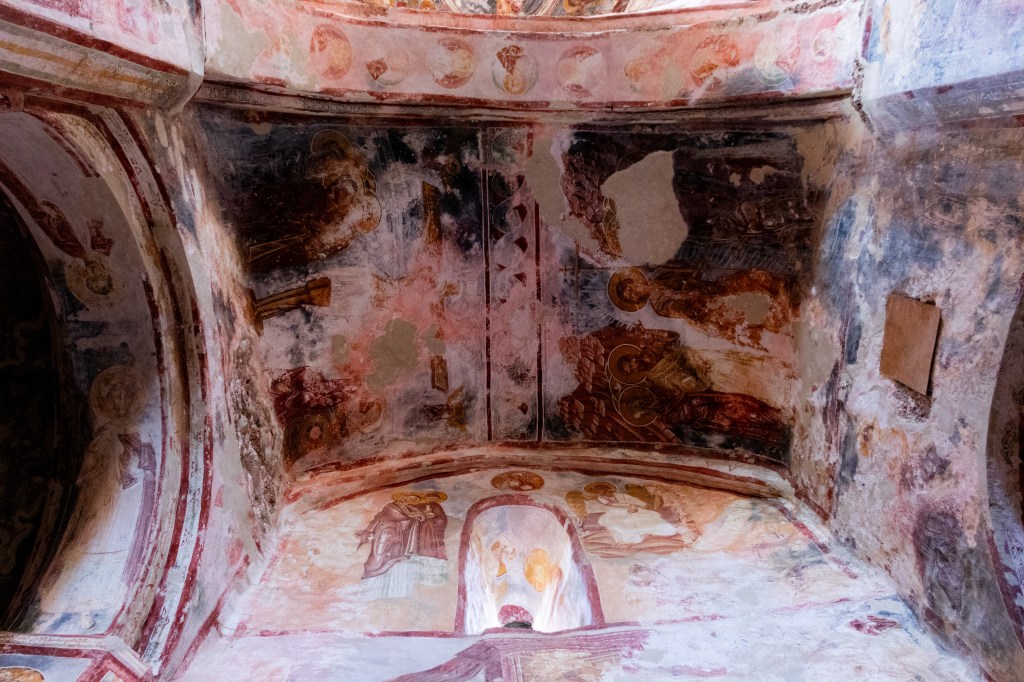
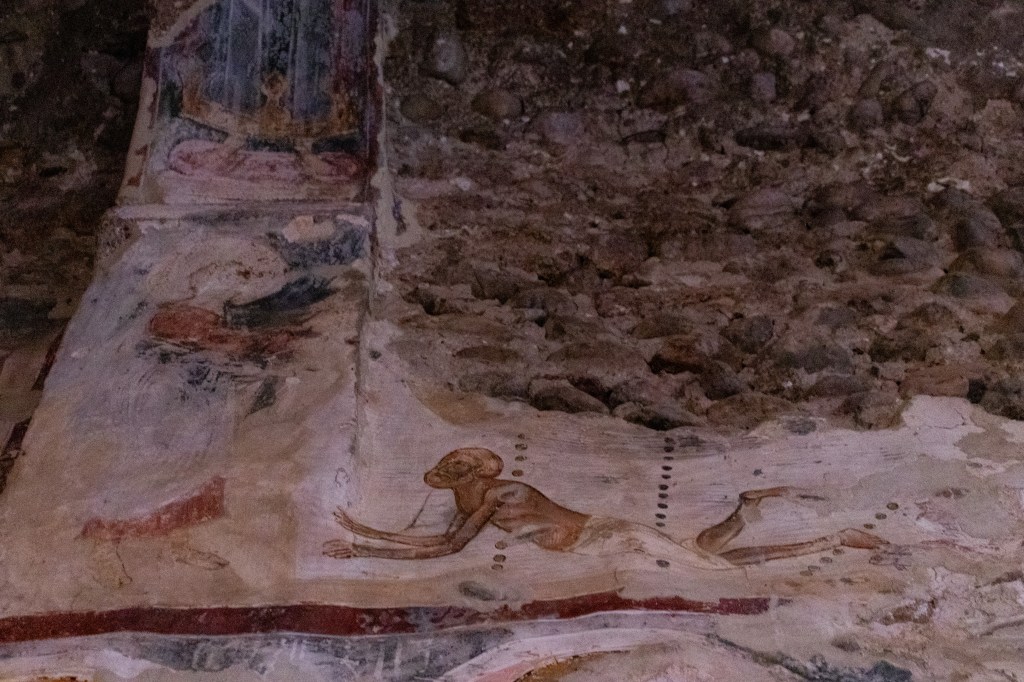

The frescoes depict Christ, the Virgin Mary, and various saints, as well as donor portraits on the lower western section of the north wall. These include images of Vameq I Dadiani and his family. Later murals adorn the side chapels: the northern chapel has depictions of Prince Levan I Dadiani (1533–1572), while the southern chapel, built by Prince Levan II Dadiani (1611–1657), has portraits of Levan II and his family.
In the late 14th and early 15th centuries, significant changes were made to the church, including the addition of a three-arched porch on the west side and galleries along the north and south walls. These galleries were later divided into chapels, with the northern chapel having its own small projecting apse. Therefore, the eastern façade has not only three main projecting apses, but also a forth one.
In the 1640s the Savior’s Church was elevated to the status of a cathedral after the establishment of the Tsalenjikha Eparchy. A stone bishop’s throne was installed near the southwestern pier and the church was repaired.
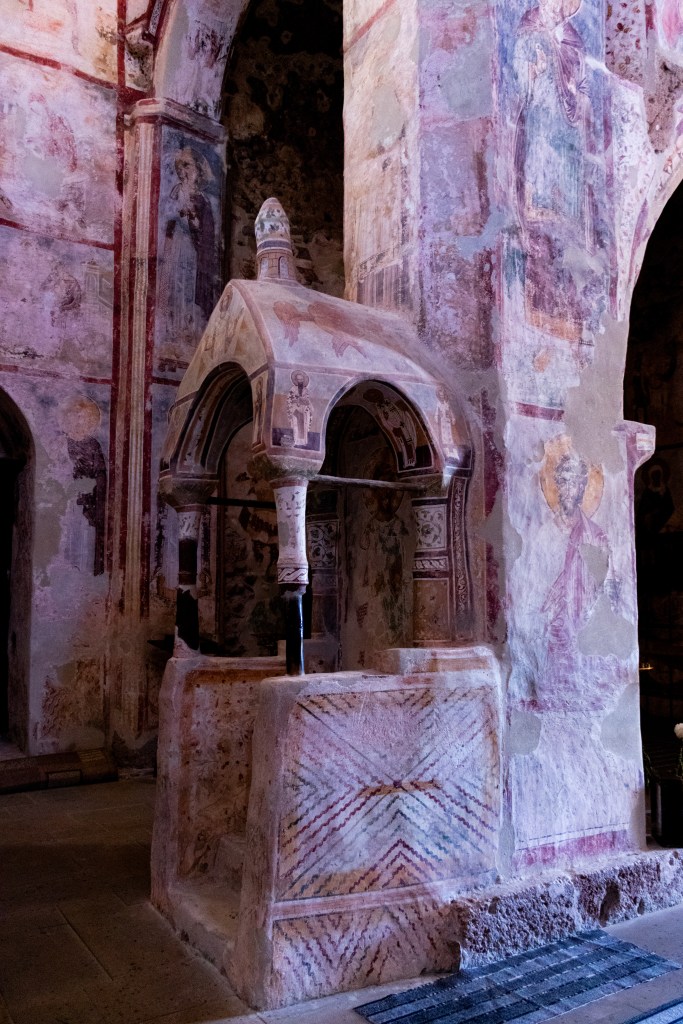
In the 17th century some of the frescoes, especially in the dome and vaults, were repainted. However, the eparchy was abolished in the 18th century and the church returned to its former status.
Sources and Further Reading
Khoshtaria, D. Medieval Georgian Churches: A Concise Overview of Architecture. Tbilisi, 2023.
Khoshtaria, D. Tsalenjikha Church. Available at ATINATI.
Lazarev, V. N. Istoriia vizantiiskoi zhivopisi [History of Byzantine Painting]. Moscow, 1986.
Sanikidze T., “tsalenjikhis matskhovris tadzris istoriisatvis,”sakartvelos sidzveleni 12 (2008), 169-187. [in Georgian]
text and photos by Elena Lisitsyna
 bureau MARKA