
formerly known as the Central Aquatic Sports Complex named after Lenin Komsomol
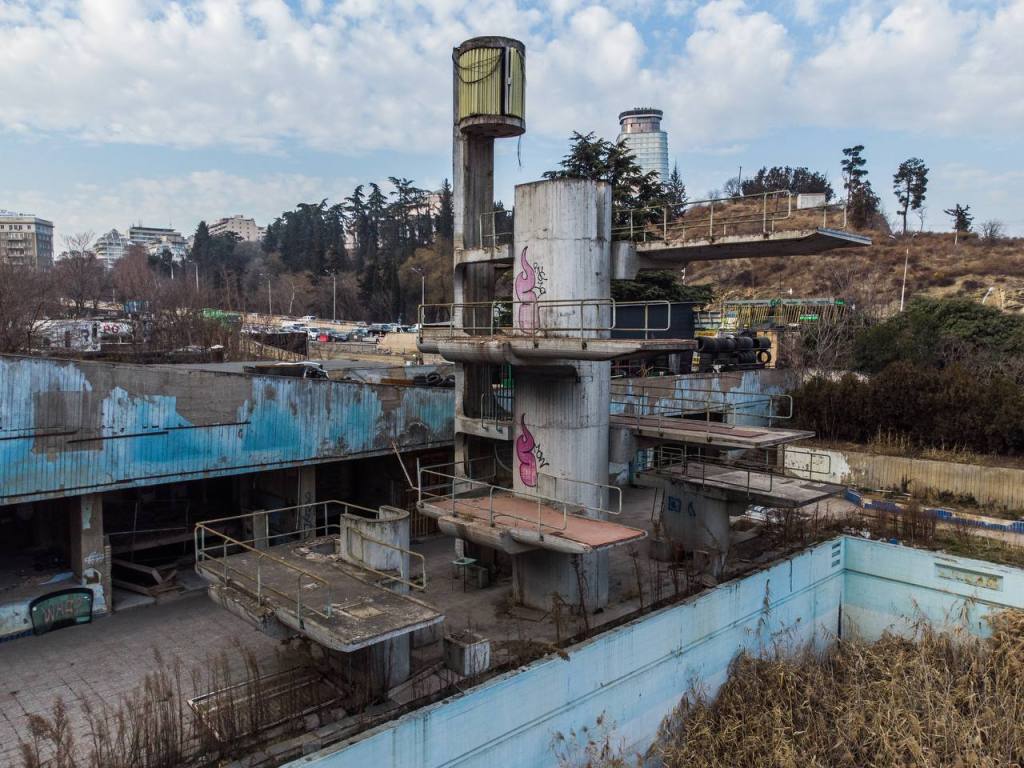
location: 41.711535365684796, 44.78689900590715
architects: Shota Kavlashvili, Ramaz Kiknadze, Guram Abuladze
date: 1969–1978
The photographs were provided by Pavel Ogorodnikov, who explores abandoned places in Georgia (IG: @pavelog) and curates an archive of Georgian mosaics (IG: @georgian_mosaic).
The decision to build a modern aquatic sports complex in central Tbilisi in 1963 was initially made to replace the outdoor swimming pool in the Physical Culture Park, which was set for demolition due to the expansion of the Mtkvari riverside highways. The site chosen for the new pool was on the right bank of the Mtkvari River, where a silk weaving factory’s kindergarten once stood. This area, like much of the surrounding riverbanks, had been designated as a green zone in Tbilisi’s General Plans of 1934, 1953, and 1970, with plans to gradually clear it of industrial development.
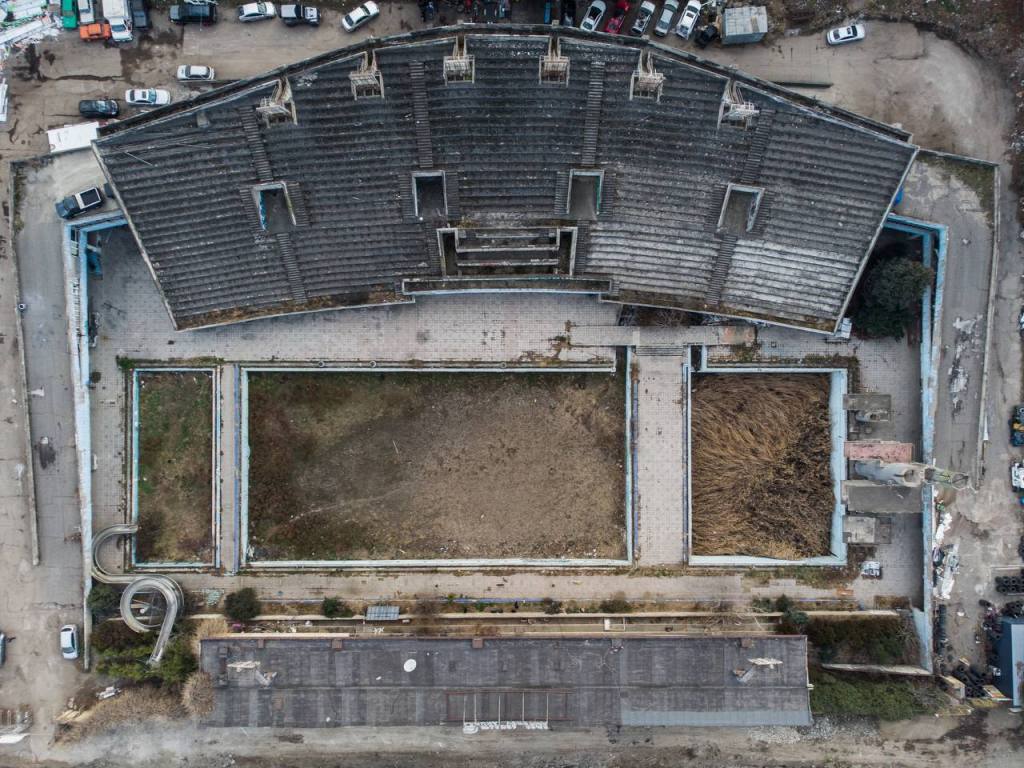
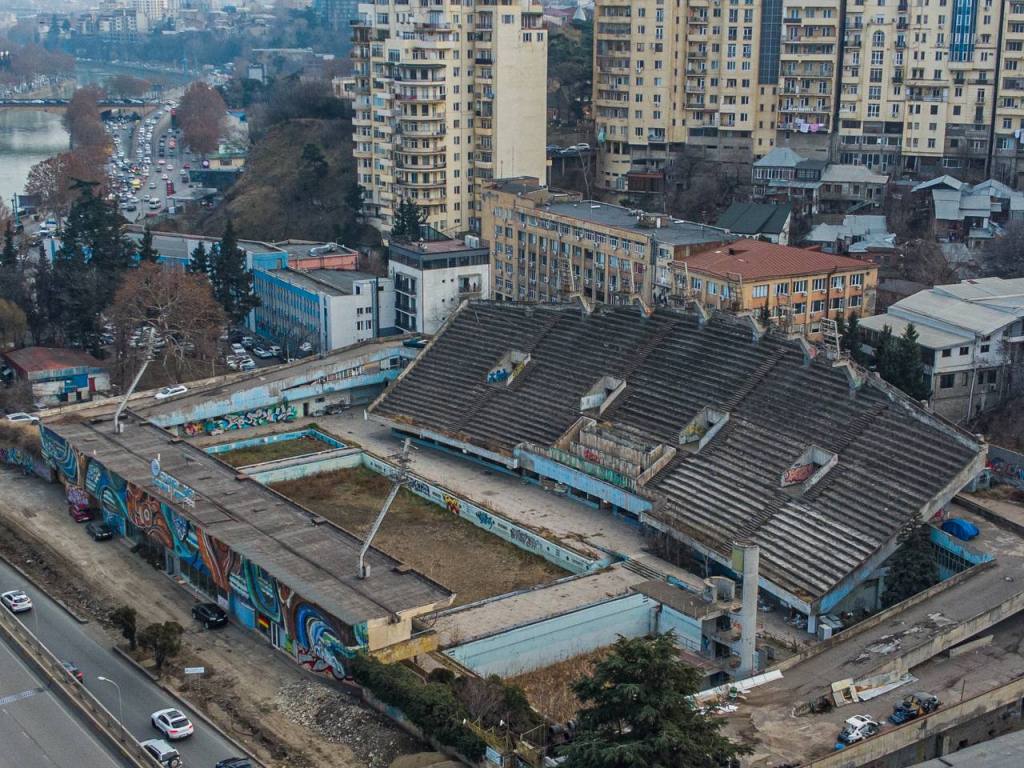
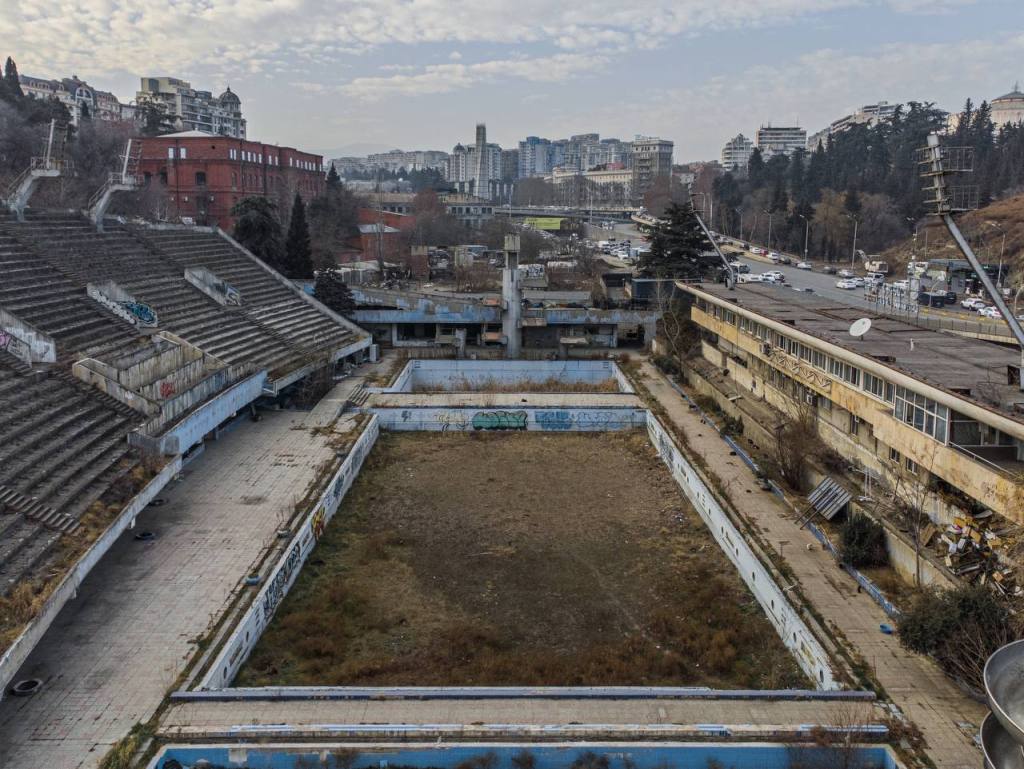
The new complex was intended to meet modern requirements and international standards. The earlier swimming pool project by Yuri Kasradze of Tbilqalaqprojekti was handed over to a younger generation of architects from the same institution—Shota Kavlashvili, who became the chief architect of Tbilisi in 1970, along with Ramaz Kiknadze and Guram Abuladze. Work on the project began in 1964, but financial constraints led to delays, and three versions of the design were created over a next 12-year period.
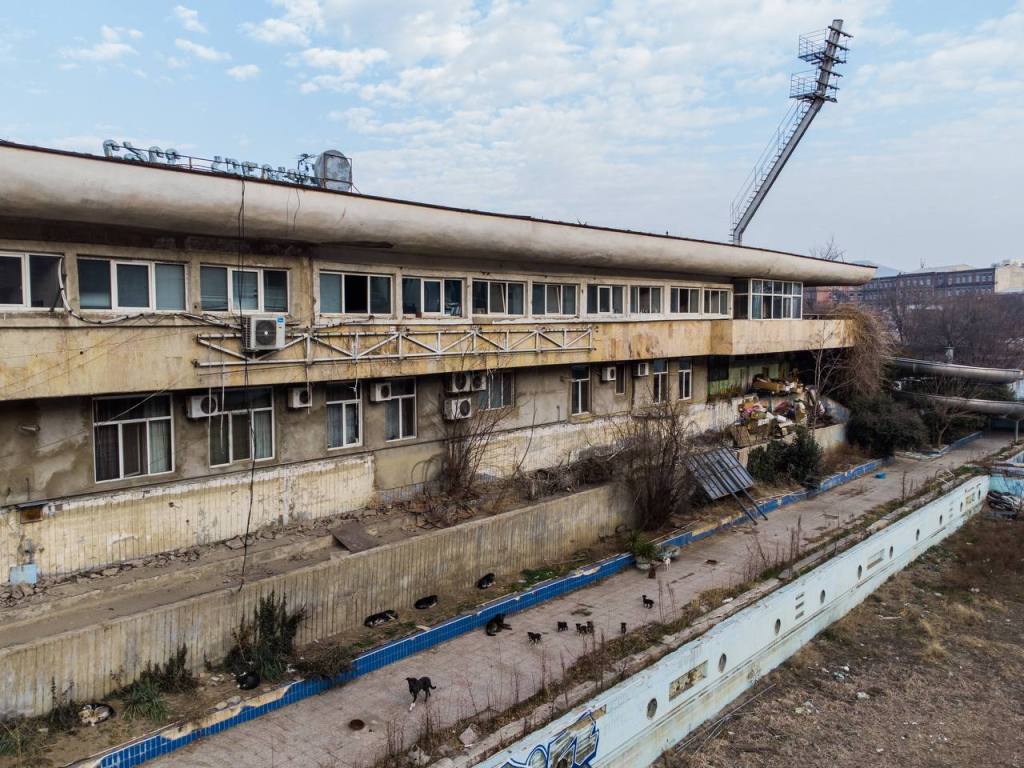
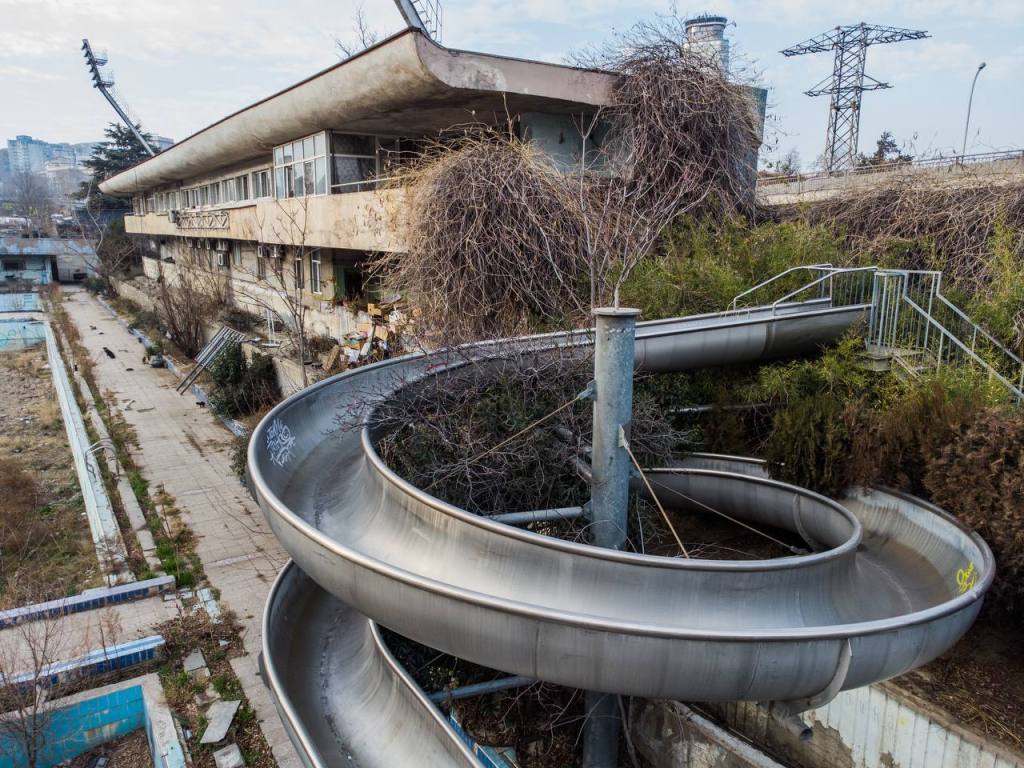
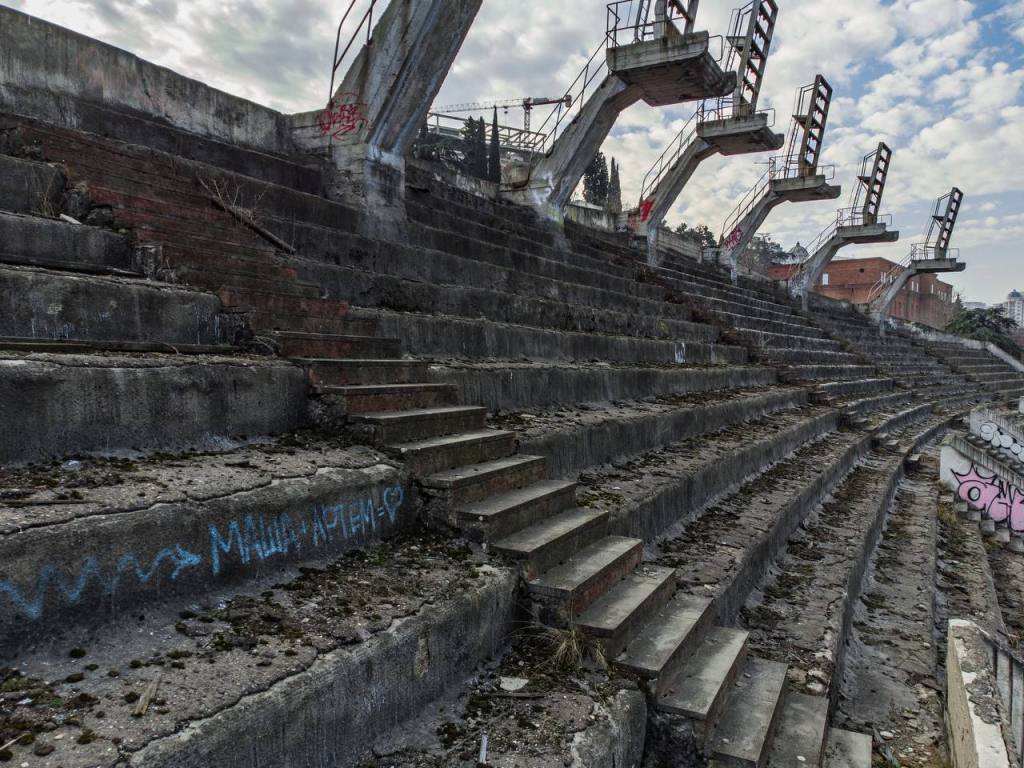
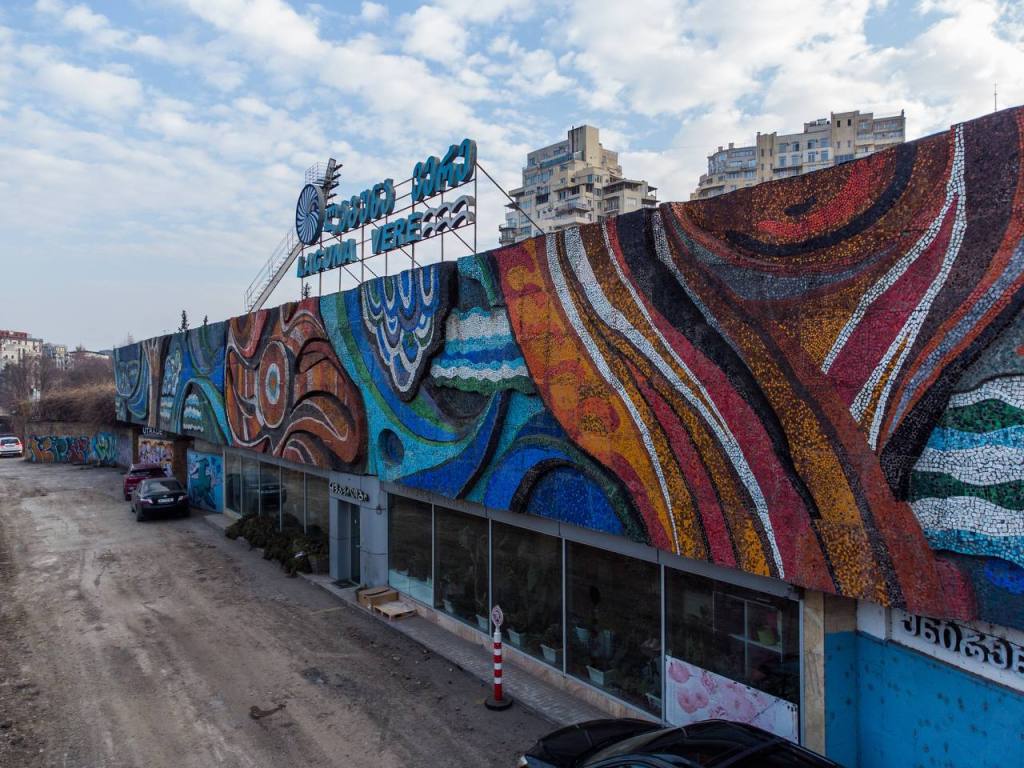
The complex was finally completed and opened in 1978 as the Lenin Komsomol Aquatic Sports Complex, showcasing a functional and minimalist architectural style. Covering an area of 10,250 square meters, the structure was designed to withstand earthquakes of up to seven on the Richter scale. It included three pools: a large competition pool, a deep pool with a concrete diving tower, and a training pool. To the south of the pools was a seating area that accommodated 5,500 spectators, while to the north, along the road connecting Hero Square to the riverbank, the main entrances and ticket offices were located. The façade featured a large mosaic by artist Nikoloz (Koka) Ignatov and included press and commentator booths. Beneath the stands, a three-story space housed gyms, medical and rehabilitation rooms, a café, etc.
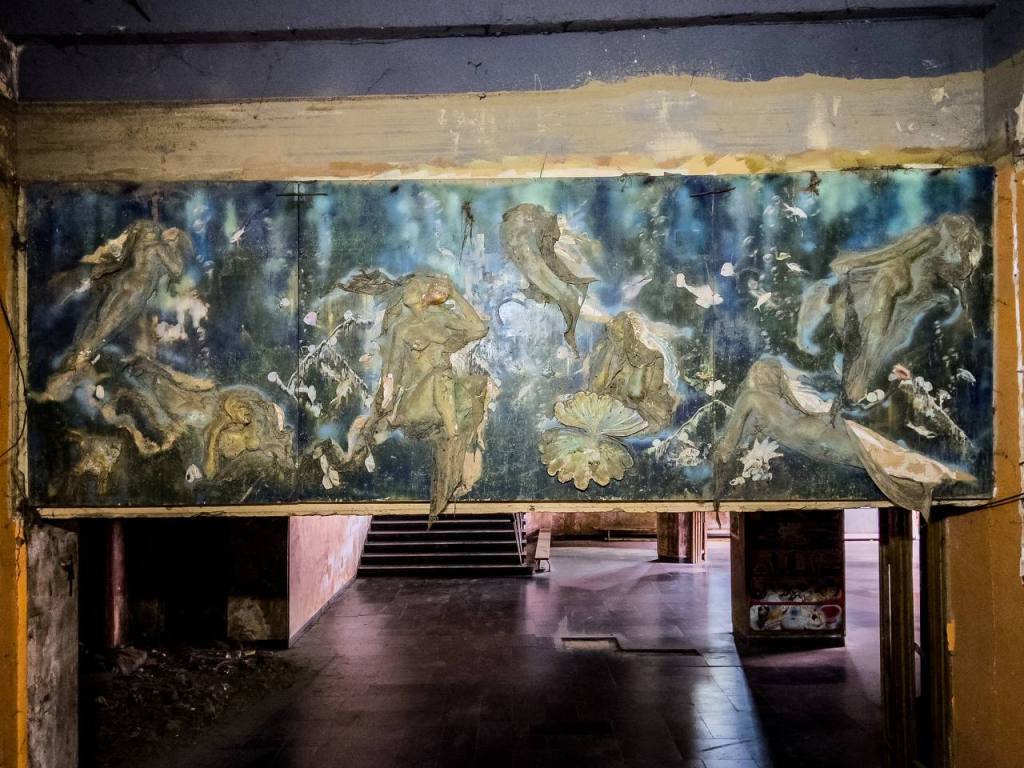

The Lenin Komsomol Aquatic Sports Complex was the first of its kind in the Caucasus to meet international standards. It became a training hub for water sports such as swimming, water polo, diving, and synchronized swimming, and hosted both local and international competitions, as well as concerts. In 1982, the complex was awarded the USSR Council of Ministers Prize. By the 1990s, it was known as “Laguna Vere,” and in 2000, it was privatized. However, by early 2014, the facility was permanently closed. The devastating 2015 flood in Tbilisi worsened the building’s condition. Today, Laguna Vere remains largely abandoned, with only a few side businesses such as car and flower shops operating in the surrounding areas. Tbilisi’s central district currently lacks a municipal outdoor swimming pool. However, in 2023, a new owner took over Laguna Vere, promising to restore the aquatic complex.
Sources and Further Reading
Tbilisi Architecture Archive. Laguna Vere. Tbilisi 2022. ISBN 9-789941-848599
For more historical and contemporary photos, visit the web pages of Ex Utopia and by Tbilisi Architectural Archive
text by Elena Lisitsyna
photos by Pavel Ogorodnikov
 bureau MARKA